lawn Renovations in the fall?
A thick, green lawn can completely change the appearance of your property, but New Jersey summers can be tough on grass. Heat, heavy foot traffic, weeds, dry conditions, drainage problems, and thinning turf can leave lawns looking worn by the end of summer. For many homeowners, that makes fall the perfect time to start thinking about a lawn transformation.
At RVG Landscape Design, we provide fall lawn renovations in Bergen County for homeowners looking to repair damaged lawns, replace struggling grass, or completely start over with a new lawn.
Two of the most common options are new sod and grass seed.
Both can produce a beautiful lawn, but they offer very different advantages. The right choice depends on the condition of your property, how quickly you want results, your budget, soil conditions, irrigation, and the amount of renovation your lawn needs.
Fall Lawn Renovations in Bergen County: Should You Choose Sod or Seed?
Fall is an important season for lawn improvement in Northern New Jersey. The extreme heat of summer begins to fade, while soil can remain warm enough to support root development and grass establishment.
For cool-season grasses commonly used in New Jersey, late summer into early fall can provide favorable growing conditions. However, timing matters, especially when establishing a lawn from seed. The later you get into fall, the less establishment time new grass has before colder conditions arrive.
That’s why a professional lawn renovation should start with the condition of the property—not simply spreading seed or rolling out sod.
At RVG Landscape Design, we evaluate the existing lawn, soil, grading, drainage, sunlight, irrigation, and overall condition before determining the best approach.
What Is a Fall Lawn Renovation?
A lawn renovation is more than simply adding grass seed to an existing lawn.
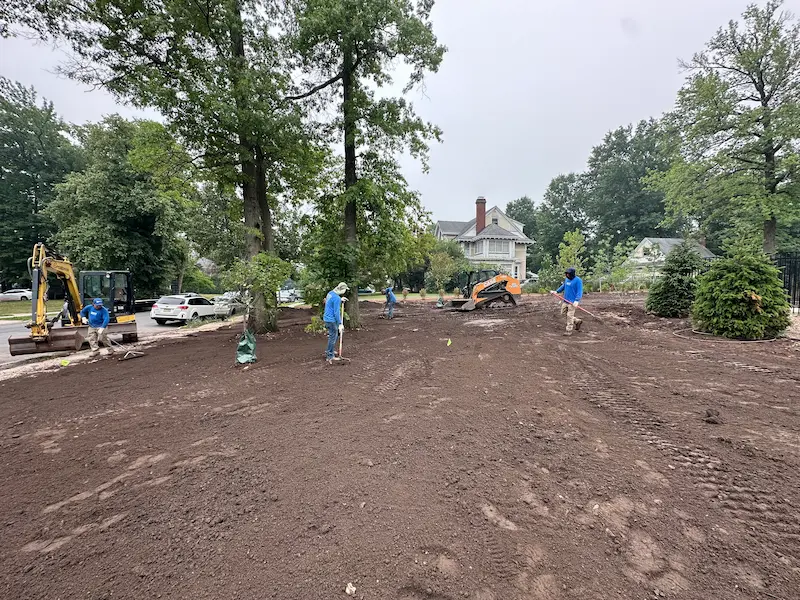
Depending on the condition of your property, a fall lawn renovation in Bergen County may include:
- Removing or reducing existing damaged turf
- Power raking or preparing the existing soil
- Removing surface rocks and debris
- Correcting minor grading issues
- Adding certified topsoil where needed
- Improving soil conditions
- Installing new sod or grass seed
- Applying starter fertilizer when appropriate
- Preparing the lawn for proper watering and establishment
Some properties only need targeted improvement, while severely damaged lawns may benefit from a more complete renovation.
The goal is to create the right growing environment before installing the new lawn.
Why Fall Is a Great Time for Lawn Renovations in Bergen County
Northern New Jersey lawns experience significant stress during summer.
By August and September, homeowners may notice bare spots, brown areas, weed growth, compacted soil, or grass that simply isn’t recovering.
Fall brings cooler air temperatures and typically less intense heat stress than midsummer. This can create a valuable window for repairing or replacing a lawn.
Completing your lawn renovation in the fall can also help prepare the property for the following spring.
Instead of waiting until spring to address a struggling lawn, you’re giving the new grass an opportunity to begin establishing beforehand.
Option 1: Installing New Sod
Sod is the fastest way to dramatically transform the appearance of a lawn.
Instead of waiting for grass seed to germinate and fill in, mature turf is installed directly onto properly prepared soil.
The transformation can be immediate.
For homeowners who have large bare areas or want a completely new lawn, sod can be an excellent option.
Benefits of sod include:
- Immediate green appearance
- Full lawn coverage from installation
- Less exposed soil
- Faster visual transformation
- Helpful for larger bare areas
- More predictable initial coverage than seed
We commonly recommend sod when homeowners want a major lawn transformation without waiting for an entire seeded lawn to fill in.
Proper Soil Preparation Is Critical for Sod
Good sod installation starts underneath the grass.
Simply laying sod over an unhealthy lawn or poorly prepared soil can create problems later.
Depending on the property, preparation may involve removing existing grass, loosening or power raking the soil, addressing rocks and debris, correcting minor grading, and installing quality topsoil.
The finished soil should provide a good environment for the new sod’s roots to establish.
Proper grading is also important.
Water should move appropriately across the property rather than collecting in low areas or creating unnecessary saturation.
Watering New Sod Is Extremely Important
A newly installed sod lawn requires consistent watering.
The sod needs moisture while its roots begin establishing into the soil below.
Allowing newly installed sod to dry out can quickly damage the grass, particularly during warmer fall days.
Properties with properly functioning irrigation systems generally make establishing a new sod lawn easier because watering can be performed consistently across the entire area.
Homeowners should always follow the watering recommendations provided for their specific installation and adjust for rainfall and weather conditions.
Option 2: Renovating a Lawn With Grass Seed
Seeding is another popular option for fall lawn renovations in Bergen County.
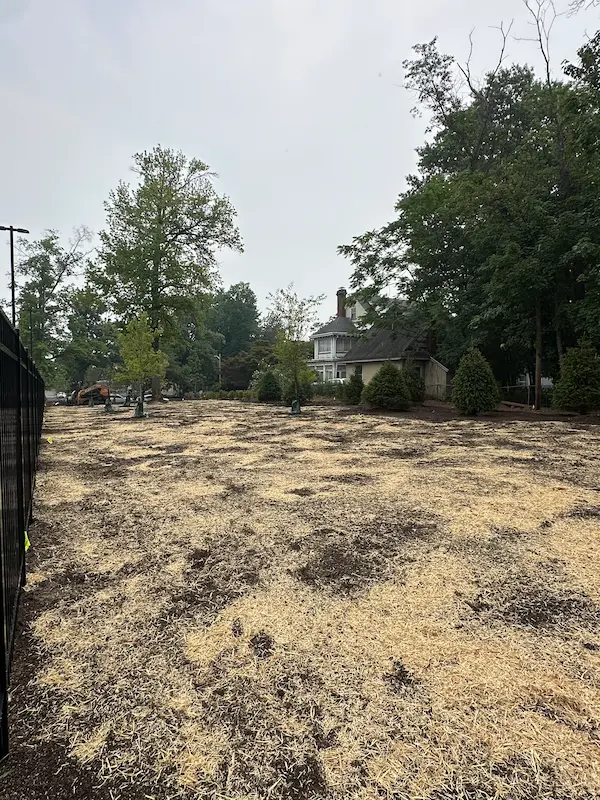
Instead of installing mature turf, grass seed is applied to properly prepared soil and allowed to germinate and establish naturally.
Seeding can make sense when:
- The existing lawn still has healthy grass
- There are scattered thin or bare areas
- The homeowner has more time for establishment
- A full sod replacement isn’t necessary
- The lawn primarily needs rejuvenation
Seed generally requires more patience than sod.
The lawn will not look finished immediately, and new grass needs time to germinate, develop roots, and mature.
Why Timing Matters With Fall Grass Seed
Fall seeding should not be delayed unnecessarily.
Grass seed needs sufficient time under suitable conditions to germinate and establish before colder weather significantly slows growth.
This makes early fall an especially important period for homeowners considering seeding in Bergen County.
Waiting too long can reduce the amount of establishment that occurs before winter.
Sod can sometimes provide greater flexibility later in the season because you’re installing established turf rather than waiting for seed to germinate, although weather and ground conditions still matter.
Sod vs. Seed: Which One Is Better?
There isn’t one answer for every property.
If you want an immediate transformation and full lawn coverage, sod is usually the stronger option.
If you have an existing lawn that is still reasonably healthy but needs improvement, seeding may make more sense.
The condition of the existing lawn should drive the decision.
A lawn with a few thin areas is very different from a yard that is mostly weeds, bare soil, construction damage, or failing grass.
For severely damaged lawns, continually adding seed without correcting the underlying conditions may not solve the problem.
Don’t Ignore Why Your Lawn Failed
Before completing any lawn renovation, it’s important to understand why the existing lawn is struggling.
Possible causes include:
- Poor soil
- Compacted soil
- Excessive shade
- Improper watering
- Drainage problems
- Standing water
- Heavy traffic
- Construction damage
- Poor grading
- Rocks or debris in the soil
- Improper lawn maintenance
If the underlying problem isn’t addressed, a newly renovated lawn can eventually experience the same issues.
For example, installing beautiful new sod in an area with a serious drainage problem doesn’t eliminate the drainage problem.
The property needs to be evaluated as a complete system.

Drainage and Lawn Renovations
Water management is particularly important when renovating a lawn.
Some Bergen County properties have low areas where water collects after heavy rain. Others may have downspouts releasing large amounts of water directly onto the lawn.
Depending on the property, drainage improvements may need to be considered before installing the finished lawn.
This could include grading adjustments or a dedicated drainage solution.
Addressing these problems during the renovation process can be much easier than disturbing a newly established lawn later.
How Much Topsoil Does a New Lawn Need?
There isn’t a universal amount of topsoil required for every lawn renovation.
Some properties already have good soil and primarily need preparation. Others have poor, rocky, compacted, or disturbed soil that requires more extensive improvement.
When additional topsoil is necessary, the amount should be based on actual site conditions.
The important part is creating a quality growing layer that allows new roots to establish.
This is another reason a professional site evaluation is valuable before deciding exactly how a lawn should be renovated.
Fall Lawn Renovations Throughout Bergen County
RVG Landscape Design provides fall lawn renovations in Bergen County and surrounding Northern New Jersey communities.
Our lawn and landscape projects serve homeowners throughout towns such as:
Ridgewood, NJ – Lawn renovations, sod installation, landscaping, patios, plantings, and outdoor improvements.
Franklin Lakes, NJ – Complete lawn renovations, new sod, landscape improvements, privacy plantings, and outdoor living projects.
Wyckoff, NJ – Sod installation, lawn restoration, grading, landscaping, drainage, and property improvements.
Glen Rock, NJ – Lawn renovations and landscape improvements designed around the property’s existing conditions.
Mahwah, NJ – Sod, landscaping, drainage improvements, plantings, and complete outdoor transformations.
Paramus, NJ – Lawn renovation, sod installation, landscape upgrades, and outdoor property improvements.
Why Choose RVG Landscape Design for Your Lawn Renovation?
A beautiful lawn starts before the sod or seed is installed.
Our approach to lawn renovation focuses on evaluating the property, preparing the soil properly, correcting issues where necessary, and creating the right conditions for the new lawn to establish.
RVG Landscape Design provides lawn renovations, sod installation, landscaping, drainage, planting, patios, and complete outdoor transformations throughout Bergen County and Northern New Jersey.
Fall can be one of the best times for lawn renovation because cooler temperatures reduce summer heat stress while conditions can still support the establishment of cool-season grass. The ideal timing depends on whether you're using seed or sod and current weather conditions.
For severely damaged or mostly bare lawns, sod provides immediate coverage and a faster visual transformation. Seed can be an excellent choice when much of the existing lawn is still healthy and primarily needs improvement.
Sod provides the appearance of a finished lawn immediately after installation. However, the roots still need time to establish before the lawn should receive normal foot traffic and maintenance.
New sod requires consistent moisture during establishment. Watering frequency depends on weather, rainfall, soil conditions, and the stage of root establishment. Newly installed sod should not be allowed to dry out.
The later grass seed is installed, the less time it may have to germinate and establish before cold weather slows growth. Timing is especially important when planning a fall seeding project in Northern New Jersey.