By Pedro Rodriguez, Operations & Maintenance Manager, RVG Landscape & Design
The short answer: A good commercial landscape maintenance contract in northern New Jersey is a written, multi-year agreement with a defined scope, set visit counts, a locked price for the term, proof of insurance, and regular communication. The best value often comes from bundling landscape maintenance and snow removal into one annual price with one company.
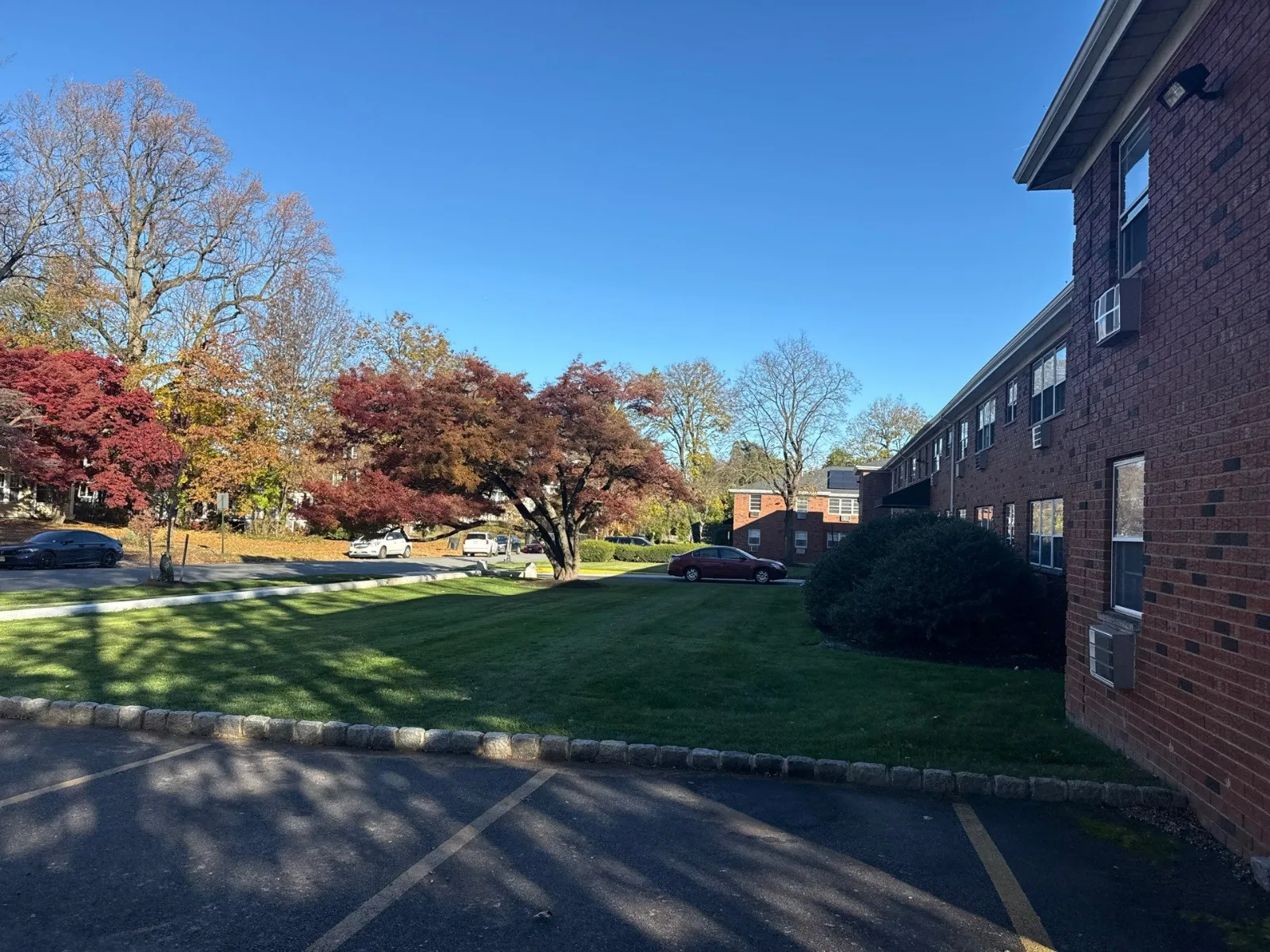
If you manage an office park, retail center, HOA, medical building or multi-tenant property in northern New Jersey, the landscape maintenance contract is one of the easiest line items to get wrong. Two bids can look identical on price and be completely different in what you actually get. This guide covers what a contract should include, what drives cost, how the New Jersey season shapes the work, and how to compare bids side by side. To see what we offer directly, visit our commercial landscape maintenance services.
Quick Facts
- For commercial applicators, late-fall nitrogen and phosphorus applications must be finished by December 1, with none allowed again until March 1.
- Commercial fertilizer applicators in New Jersey must be certified through Rutgers NJAES and keep up their continuing-education credits.
- RVG has been maintaining commercial properties for over 15 years.
- Our multi-year contracts typically run two to four years with the price locked for the full term.
- Maintenance and snow and ice management can be combined into one annual price with one company.
- Property managers get a status update from us every month, plus direct contact any time in between.
- Every RVG crew works in uniform, with clean trucks and newer equipment, because your property is judged by how the people on it look too.
Fertilizer rules come from Rutgers NJAES and the NJ fertilizer law. Always confirm current dates before scheduling applications.
What Types of Commercial Maintenance Contracts Are There?
Per-visit (itemized) contracts
You pay a set price for each visit, usually for mowing, trimming and cleanup. This is common for smaller properties. It is simple, but extras such as mulch, pruning, seasonal color and fall cleanup are typically quoted separately, so your annual cost can drift upward.
Full-service annual contracts
You pay a fixed monthly amount for a defined scope across the year, so budgeting is predictable. This is the better fit for HOAs, office buildings and properties where appearance matters year-round. The key is that the scope is written down, not assumed.
Combined maintenance and snow contracts
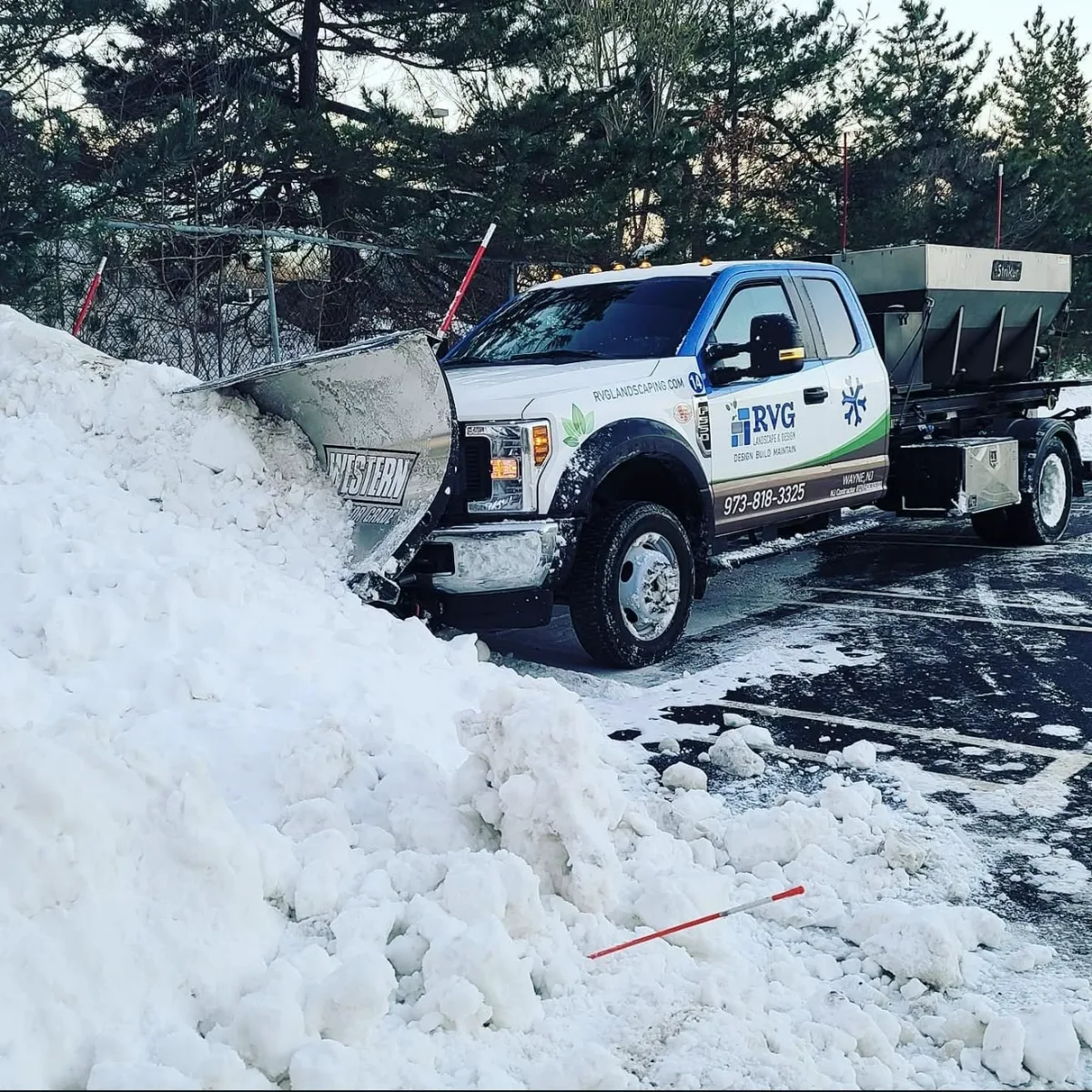
Some contracts roll landscape maintenance and snow and ice management into one price for the year. You get one company, one point of contact and one budget line, and you never have to scramble to find a snow contractor when the first storm is forecast. It also means the crew that knows your property in summer is the same crew protecting it in winter. See our snow and ice management program and our guide to why pre-salting matters.
Why Do Multi-Year Contracts With Locked Pricing Make Sense?
Labor, fuel and material costs move around. A multi-year agreement, typically two to four years in our case, locks your price for the term. However the economy goes, your price is your price. For a property manager or HOA board, that means a budget you can defend, no mid-contract surprises, and a vendor with a real stake in keeping your property looking good for the long run.
What Should a Complete Scope of Work Cover?
Ask every bidder to price the same list. At minimum:
- Mowing, edging and string trimming with a stated visit frequency (weekly in peak growth, adjusted in spring and fall).
- Blowing and debris cleanup of hardscapes, parking areas, walkways and entrances after every visit.
- Bed maintenance: weeding, edging and mulch refresh (how much and how many times per year).
- Shrub and ornamental tree pruning timed by species, not one blanket “trim in June.”
- Turf care: aeration, overseeding and fertilization by a certified applicator.
- Seasonal color installation and replacement, if you want it.
- Irrigation: spring start-up, mid-season checks and fall winterization.
- Spring and fall cleanups, including leaf removal.
- Drainage and erosion issues, plus a clear process for reporting problems.
- Property enhancement recommendations that improve curb appeal and property value over time.
Anything not on the list is an extra. Good contracts say how extras are priced and approved before the work happens.
What Does a Northern New Jersey Maintenance Calendar Look Like?
- March to April: spring cleanup, bed prep, pre-emergent weed control, irrigation start-up, first mowing as growth begins.
- May to June: weekly mowing, first mulch refresh, spring pruning, seasonal color, turf fertilization.
- July to August: consistent mowing, irrigation monitoring, pest and disease checks, trimming back summer growth.
- September to October: aeration and overseeding, fall color, leaf management begins, irrigation adjustments.
- November to early December: final leaf cleanups, irrigation winterization, last cuts, dormant pruning where appropriate.
- Winter: the property transitions to snow and ice operations, handled by the same company if you bundle.
What Do New Jersey’s Fertilizer Rules Mean for Your Contract?
New Jersey regulates fertilizer use to protect waterways. There are seasonal limits on nitrogen and phosphorus applications, including a winter restriction period, and professional applicators on commercial properties must be certified through Rutgers NJAES. When you compare bids, ask who applies the fertilizer, whether they hold the required certification, and what the schedule is. A bid that ignores this is a compliance risk for you as the property owner, not just a quality issue.
What Drives the Cost of Commercial Landscape Maintenance?
We do not quote a number without seeing the property, because the same acre can cost very differently depending on:
- Size and layout: total turf area, number of beds, and how many islands, curbs and obstacles slow down mowing.
- Service level: a “clean and green” standard costs less than a high-visibility corporate or medical campus standard.
- Visit frequency: weekly versus biweekly service in different seasons.
- Plant material: mature shrubs, ornamental trees and seasonal color add labor and materials.
- Slopes, access and hazards: steep banks, water features and tight access change equipment and labor needs.
- Add-ons: irrigation service, aeration, overseeding, mulch volume and bed renovations.
- Bundling snow and ice: one annual price for the whole year simplifies budgeting.
How Do I Compare Landscaping Bids Fairly?
- Give every bidder the same scope. Walk the property together or send the same written list.
- Compare visit counts and service frequency, not just the monthly price.
- Check what is excluded. Mulch, pruning, cleanups and irrigation are the usual surprises.
- Ask about insurance. You should receive a certificate naming your property as additional insured. Our article on insurance requirements for property service contractors explains what to look for.
- Verify licensing and certifications, including fertilizer and pesticide applicator credentials where applicable.
- Ask about communication. Who is your point of contact, and how often will you get updates?
- Read the term, price and termination language. Is the price locked? For how long? What happens at renewal?
Red flags in a low bid
- No written scope, or a scope that is only one paragraph long.
- No proof of insurance, or reluctance to name you as additional insured.
- Vague language such as “as needed” with no visit counts.
- No plan for fertilizer certification, irrigation or seasonal transitions.
- A price that can change mid-contract.
What Makes RVG Different?
- 15+ years of experience maintaining commercial properties.
- Constant contact and monthly updates, so you always know what was done and what is coming.
- Proactive recommendations to enhance your property’s look and value, not just keep the grass cut.
- Professional presentation: uniformed crews, clean trucks and newer equipment.
- One price, one company: landscape maintenance and snow management combined, with pricing locked for a two to four year term.
RVG Landscape & Design is based in Pompton Lakes and serves commercial, HOA and multi-tenant properties across northern New Jersey. For more on property types we serve, read our guides on HOA landscaping and office building landscaping, or see our commercial landscaping page for Wayne, NJ.
Frequently Asked Questions About Commercial Landscape Maintenance
What’s included in a commercial landscape maintenance contract?
A complete contract spells out mowing, edging and trimming, debris cleanup, bed weeding and mulch, shrub and tree pruning, turf care (aeration, overseeding, fertilization), seasonal color, irrigation start-up and winterization, and spring and fall cleanups, with visit frequencies written down. Anything not listed is an extra, and the contract should say how extras are priced and approved.
Can maintenance and snow removal be in one contract?
Yes. Many property managers prefer a single annual contract that covers landscape maintenance and snow and ice management for one price for the year. You deal with one company, one point of contact and one invoice schedule, and you never have to hunt for a snow contractor in November.
How long are commercial landscape maintenance contracts?
Multi-year agreements are common. Ours typically run two to four years with the price locked in for the term, so your budget does not move with the economy.
Is a fixed monthly price better than paying per visit?
For most commercial properties, yes. A fixed monthly price makes budgeting predictable and keeps the scope in writing. Per-visit pricing can work for small properties, but extras such as mulch, pruning and cleanups are often billed separately and the annual total can drift upward.
How much does commercial landscape maintenance cost in New Jersey?
It depends on the property: turf area, number of beds, plant material, slopes and access, the service level you want, visit frequency, and add-ons like irrigation, aeration and seasonal color. We price every property after a walk-through so the proposal matches the actual scope, and we lock that price for the contract term.
How often should a commercial property be mowed in New Jersey?
Most commercial turf is mowed weekly during the peak growing season, roughly late spring through early summer, with frequency adjusted in spring, late summer and fall as growth slows. Your contract should state the visit count, not just a monthly price.
Do commercial landscapers in New Jersey need special certification?
Anyone applying fertilizer commercially in New Jersey must be a certified professional applicator through Rutgers NJAES, and the state limits when nitrogen and phosphorus can be applied. Ask every bidder who applies fertilizer and whether they hold the certification.
What should I ask a landscaping company before signing?
Ask for a written scope with visit counts, proof of insurance naming your property as additional insured, applicator certification, how long they have been in business, who your point of contact is, how often they report back, and what the renewal and termination terms are.
How do I know if a bid is too low?
A very low bid usually leaves something out: a vague scope, no visit counts, no insurance certificate, or extras billed later. Compare every bid against the same written scope before you compare price.
Where Can I Find Commercial Landscaping Near Me in Northern NJ?
We serve commercial, HOA and multi-tenant properties across northern New Jersey. If you want details on how we work in a specific area, see our commercial landscaping pages for Wayne, Clifton, Fairfield, Totowa and Oakland. You can also browse all of our landscaping services.
Request a Maintenance Proposal
We will walk your property, build the scope with you, and give you a written proposal you can compare directly against any other bid. Request a proposal online, call 973-836-1508 or email rvglandscapedesign@gmail.com. RVG Landscape & Design LLC, 114 Cannonball Rd, Pompton Lakes, NJ 07442. NJ HIC #13VH11982300.
Written by Pedro Rodriguez, Operations & Maintenance Manager. RVG Landscape & Design is led by CEO Carlo.