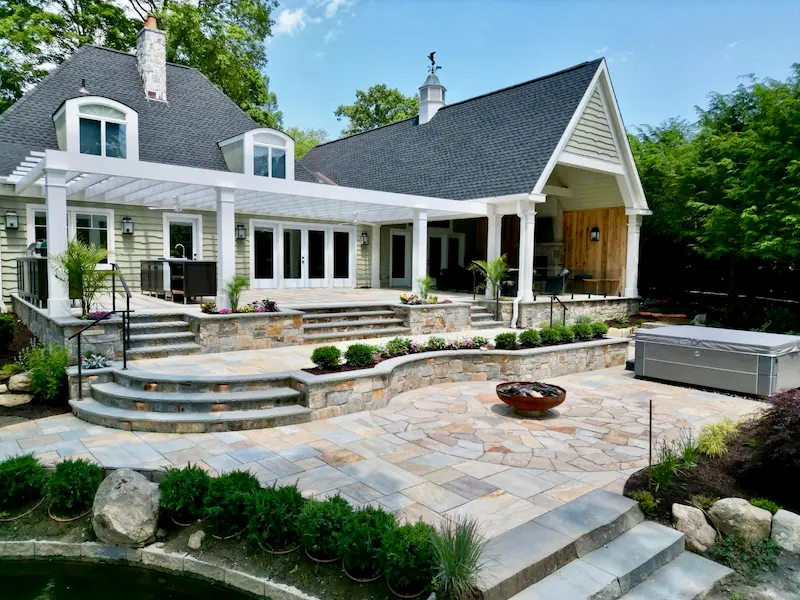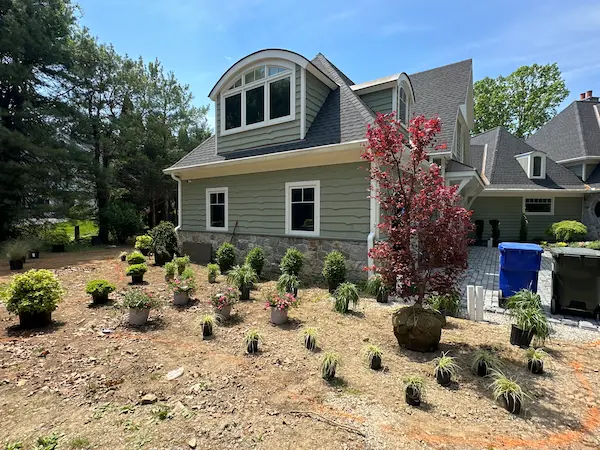
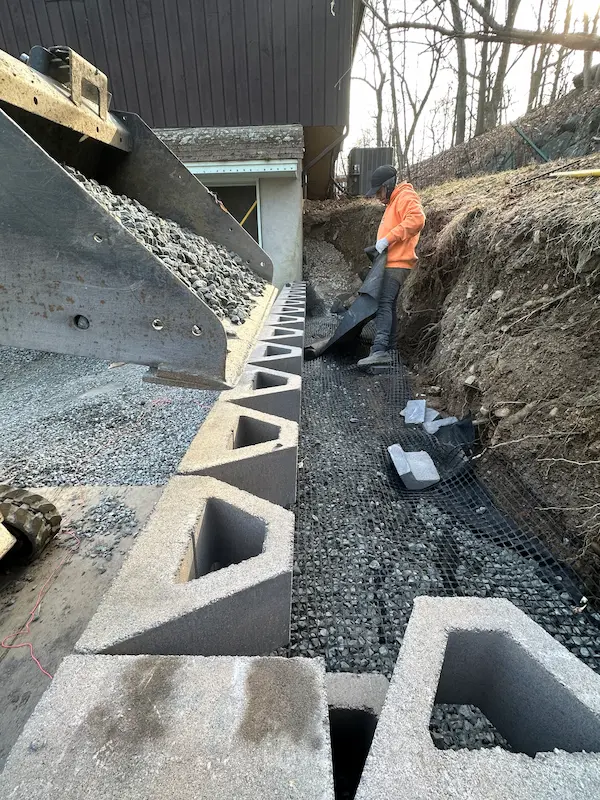
At RVG Landscape Design, retaining walls are one of the most valuable landscape investments for North Jersey homes. Across Bergen County and Passaic County, many properties have slopes, drainage challenges, and elevation changes that make retaining walls essential.
A well-built wall creates usable space, improves curb appeal, and prevents erosion. But when built incorrectly, retaining walls can fail — sometimes within just a few years.
If you’re considering hiring a retaining wall contractor in NJ , it’s important to understand what causes retaining wall failure and how to prevent it.
Unfortunately, we see failing retaining walls throughout North Jersey every year. Most problems come down to poor planning, improper installation, or cutting corners.
1) Poor Drainage (The #1 Cause of Retaining Wall Failure)
Water is the biggest enemy of any retaining wall. Many homeowners also end up needing yard drainage solutions alongside their wall.
When water builds up behind a wall, it creates hydrostatic pressure. Over time, this pressure pushes the wall outward, causing bulging, cracking, or collapse.
Signs of drainage failure:
Leaning wall
Soil erosion
Wet spots or pooling water
Cracks forming in the structure
A system installed by an experienced retaining wall contractor should always include:
Clean drainage stone backfill
A perforated drain pipe
Proper grading away from the wall
Many cheaper installs skip these steps to save time or money. That decision almost always leads to costly repairs later.
2) Improper Base Preparation
A retaining wall is only as strong as the base beneath it.
In New Jersey, freeze-thaw cycles are intense. If the base isn’t deep and compacted correctly, the wall can shift, sink, and crack over time.
Signs of base problems:
Uneven wall sections
Sinking corners
Stair-step cracking
Proper base prep includes:
Excavation below frost depth
Compacted aggregate base
Correct base thickness for wall height
A solid foundation allows a wall to last decades instead of just a few seasons.
3) Building Too Tall Without Engineering
Not all retaining walls are simple garden walls.
Once a wall reaches certain heights, it may require:
Engineering
Reinforcement systems
Local permits
This is especially common in hillside towns throughout Bergen and Passaic counties.
To avoid issues:
Follow NJ height regulations
Use engineered wall systems
Plan with a professional retaining wall contractor
Starting with 3D landscape design helps ensure the wall is structurally sound and visually balanced before construction begins.
4) Using the Wrong Materials
Some materials look attractive but aren’t designed for structural support.
Decorative blocks or non-rated stone may work for small borders but can fail when holding back soil.
Better options include:
Engineered concrete wall block systems
Structural natural stone
Products rated for freeze-thaw climates
Material choice should match:
Soil conditions
Wall height
Drainage needs
Climate exposure
The right material dramatically increases longevity.
5) Lack of Reinforcement
Many retaining walls need reinforcement layers, especially taller ones.
Without reinforcement, soil pressure eventually wins.
Proper reinforcement may include:
Geogrid layers
Correct embedment depth
Proper wall batter (backward lean)
Why 3/4″ Gravel and Drain Pipes Are Critical Behind a Retaining Wall
One of the most important parts of a retaining wall is what you don’t see behind it.
A properly built wall in New Jersey should always include 3/4″ clean gravel backfill and a perforated drain pipe behind the wall.
Why 3/4″ Clean Gravel Matters
3/4″ clean stone allows water to flow freely instead of getting trapped in soil.
This gravel:
Reduces hydrostatic pressure
Prevents water buildup
Improves drainage
Protects the wall from shifting
Using regular soil or dirty fill behind a wall traps water and leads to failure.
Why a Drain Pipe Is Essential
A perforated drain pipe at the base of the wall collects water and redirects it away from the structure.
Without a pipe:
Water builds up
Pressure increases
Walls begin to lean or bulge
Long-term damage occurs
These hidden structural elements separate a long-lasting wall from one that fails.
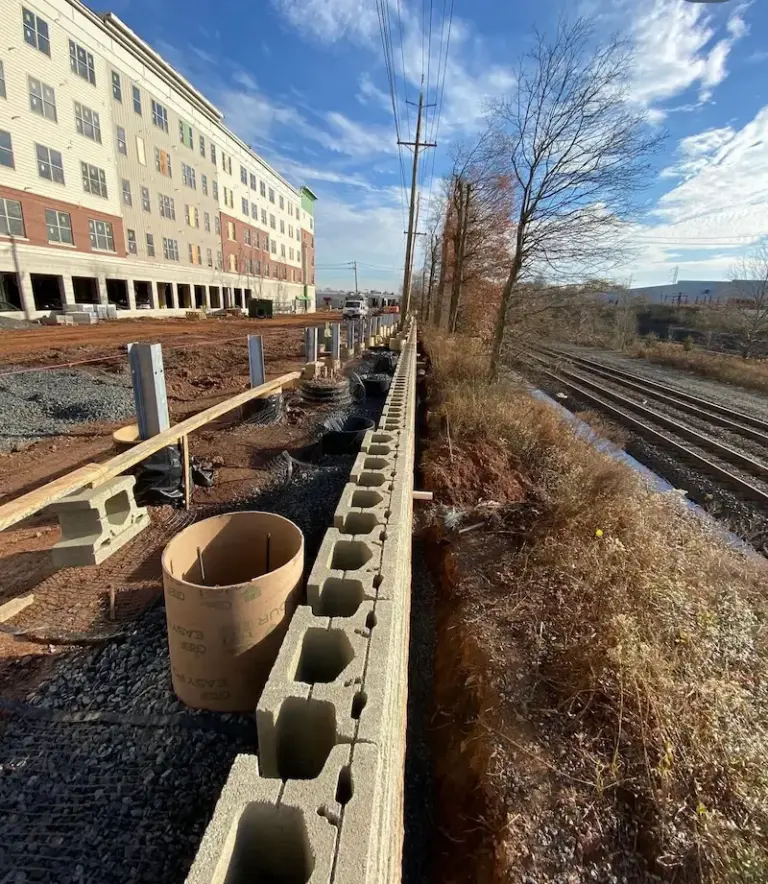
Why Professional Design Matters
Many retaining wall failures come from:
DIY projects
Inexperienced installers
No drainage planning
No structural planning
Every quality project should begin with a thoughtful plan from a professional retaining wall contractor who understands:
Soil type
Slope pressure
Water flow
Frost depth
Long-term stability
That’s why many homeowners now start with 3D landscape design to visualize grading, layout, and structural planning before construction.
Retaining Wall Projects in Bergen & Passaic County
Homes throughout North Jersey face unique landscape challenges.
Bergen County and Passaic County properties often include:
Sloped backyards
Tight lot lines
Clay-heavy soils
Water runoff concerns
We regularly build walls for homeowners looking for a:
A properly built wall doesn’t just hold soil — it transforms how a yard functions and improves property value.
How Long Should a Retaining Wall Last?
A professionally installed retaining wall can last 30–50+ years.
Longevity depends on:
Drainage
Base preparation
Reinforcement
Material quality
Proper design
Cutting corners may save money upfront but usually leads to expensive rebuilds.
Are Retaining Walls Worth the Investment?
Yes — when done correctly.
Benefits include:
Preventing erosion
Creating usable yard space
Improving curb appeal
Increasing property value
Managing water runoff
For many North Jersey homes, a retaining wall is a necessity, not a luxury.
When to Replace a Failing Wall
Consider replacement if you notice:
Severe leaning
Large cracks
Bulging sections
Drainage washouts
Structural shifting
Minor issues can sometimes be repaired, but major failures often require rebuilding.
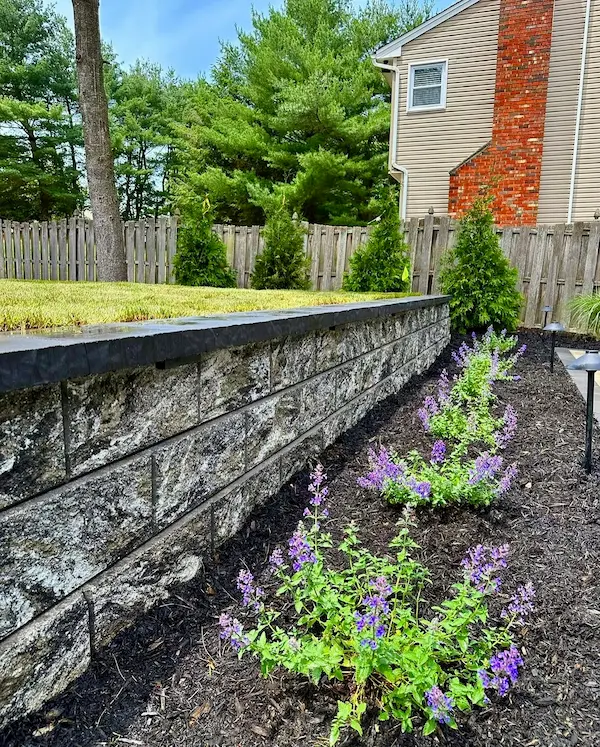
Planning a Retaining Wall the Right Way
If you’re considering a retaining wall project, the smartest approach is to start with a professional evaluation.
A proper plan includes:
Site analysis
Drainage strategy
Structural planning
Material selection
3D design visualization
Working with an experienced retaining wall contractor in Bergen and Passaic County ensures your wall is built for New Jersey’s climate and soil conditions — not just for appearance, but for long-term performance.
Ready to Build a Retaining Wall That Lasts?
If your yard has slopes, erosion, or drainage challenges, a professionally designed retaining wall can completely transform your property.
Schedule a consultation to plan your retaining wall the right way from day one.
FAQs
Common signs include leaning, bulging, large cracks, or water pooling behind the wall. If you notice movement or separation between blocks, it’s best to have a professional inspect it before the issue worsens.
Poor drainage is the #1 cause. When water builds up behind a wall, it creates pressure that can push the wall forward. Proper drainage stone and drain pipes prevent this.
Often yes. Many NJ towns require permits once a wall exceeds a certain height (commonly around 4 feet) or affects drainage and grading. A local retaining wall contractor can guide you through township requirements.